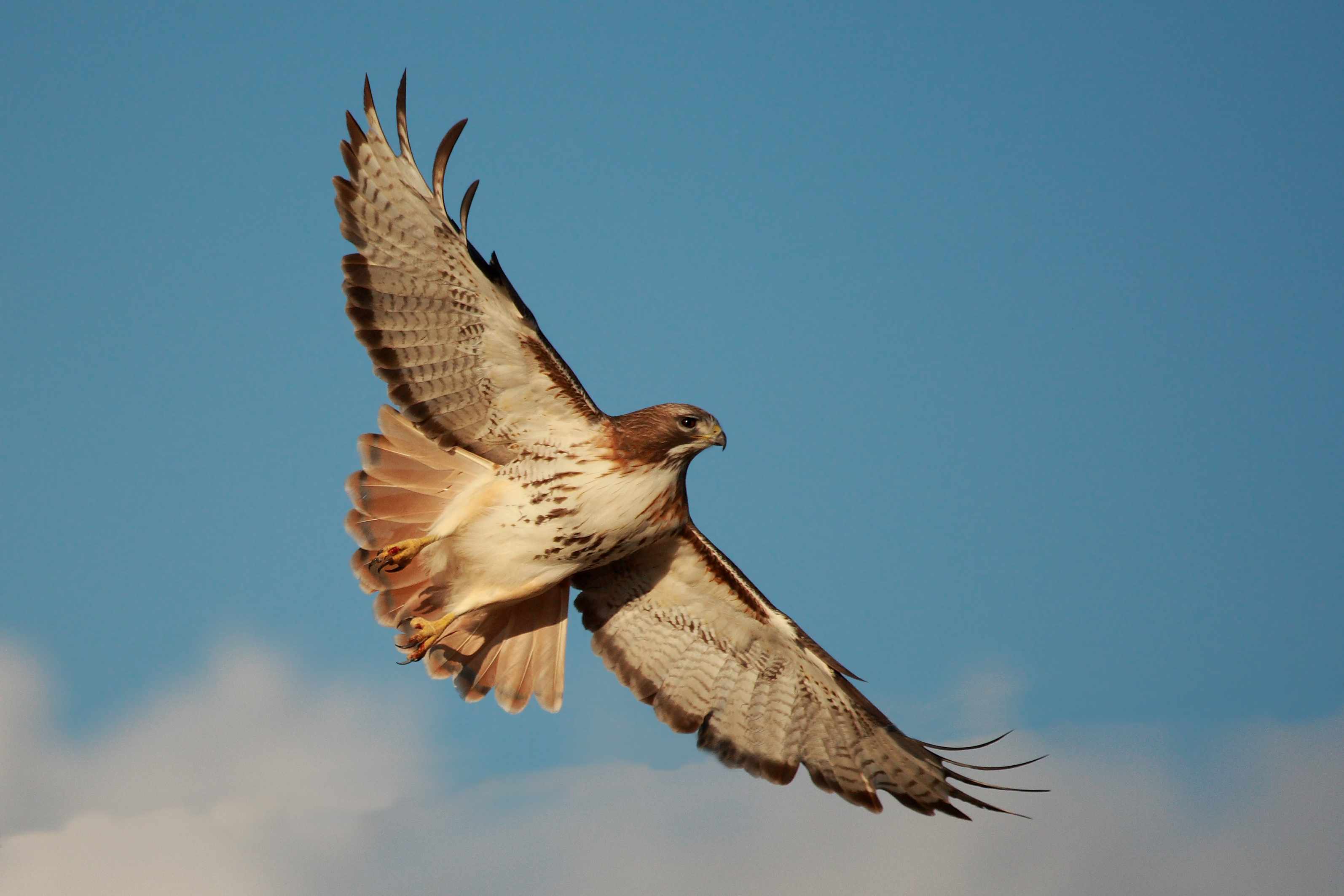
What It Means When There’s A Hawk In Your Yard

Hawks visit yards to find food, water, shelter, and high places to rest.
Their presence can show that your yard supports a healthy local wildlife habitat.
Keep tiny pets supervised outside, and give feeder birds nearby shrubs for cover.
A hawk perched on a fence, flying overhead, or sitting quietly in a tree can unexpectedly visit your backyard. While its appearance might seem unusual, a bird of prey usually chooses your property for a practical reason. Hawks are skilled hunters, and residential yards can provide what they need to survive: food, water, shelter, and convenient places to rest. Here’s what it means if you see a hawk in your own yard.
Your Yard May Be a Hunting Ground
One of the main reasons a hawk visits a yard is to find its next meal. Hawks are carnivorous birds of prey that feed on a variety of animals, including mice, rats, squirrels, rabbits, snakes, lizards, and smaller birds. Depending on the species, they may also eat insects and other small animals.
If your yard has a noticeable population of rodents or other small wildlife, it may be an appealing hunting ground. Gardens, flower beds, woodpiles, and areas with thick vegetation can provide hiding places for potential prey. Bird feeders can also attract smaller birds, which may catch a hungry hawk’s attention.
It’s A Good Place To Rest And Watch
Have you ever noticed a hawk sitting perfectly still on a fence post or tree branch? It’s probably doing more than enjoying the view. Elevated perches give hawks an excellent vantage point for spotting potential prey while keeping an eye on their surroundings.
If your property has mature trees, tall fences, or other elevated structures near open grassy areas, it may provide an ideal combination of shelter and hunting opportunities. Hawks can sit quietly and scan the ground before swooping down when they spot something worth pursuing. Some hawks also use residential trees and other structures as resting spots between hunting trips.
It May Be Attracted To Your Bird Feeders
A hawk in your yard doesn’t necessarily mean it’s interested in the food you’re putting out for backyard birds. However, your bird feeders could indirectly attract it. Feeders bring smaller birds into one concentrated area, making them easier for certain hawk species to spot. Cooper’s hawks and sharp-shinned hawks, for example, hunt smaller birds and may visit residential properties where songbirds gather.
If you notice smaller birds suddenly disappearing from your feeders or hear alarm calls, a hawk may be nearby. This is a natural part of the food chain, even if it can unsettle people who enjoy watching their feathered visitors. You don’t necessarily need to remove your feeders. Instead, keep them in areas with nearby shrubs or other protective cover so smaller birds have places to escape.
Could A Hawk Be Nesting Nearby?
Another possibility is that the hawk has established a nesting territory in or around your neighborhood. Hawks often build nests in tall trees, where they’re protected and can see the surrounding landscape. During breeding season, you may notice a hawk returning to the same area more often, especially if a nest is nearby. If you suspect a nest is nearby, avoid approaching or disturbing it, and don’t try to remove it. Hawks are wild animals, so leave their nesting areas undisturbed.
What Kind Of Hawk Is In Your Yard?
Not every hawk looks or behaves the same way, and identifying the species can help explain why it’s visiting your property. Red-tailed hawks, for example, are recognizable by their broad wings and reddish-brown tails as adults. You often see them perched in trees and on utility poles or searching open fields for small mammals.
Cooper’s hawks are more slender, with long tails and rounded wings. They’re particularly well adapted to maneuvering wooded areas and residential neighborhoods while pursuing smaller birds.
According to the Cornell Lab of Ornithology’s All About Birds resource, dozens of North American birds fall under the hawk and falcon group. When identifying a hawk, look at its size, body shape, coloring, and flight pattern. Audubon also recommends looking at wing shape and the rhythm of a bird’s wingbeats rather than relying on color alone.
Is Having a Hawk In Your Yard A Good Sign?
Generally, yes! Hawks are important predators that help maintain balance in local ecosystems. By preying on rodents, insects, and other small animals, they help naturally regulate wildlife populations. Their presence may also suggest your neighborhood provides a suitable habitat with enough food, shelter, and perching spots.
Remember that hawks are wild predators. Keep small pets supervised outdoors, especially in areas where you frequently see hawks. Most healthy adult pets are too large for common backyard hawks to consider prey, but you should still protect very small animals.
on Southern Living
Source: Nature



0 Comments