Psychologists Reveal How Sleeping With Pets Indicates High Empathy in OwnersParade Editorial Team, Parade AI Desk,

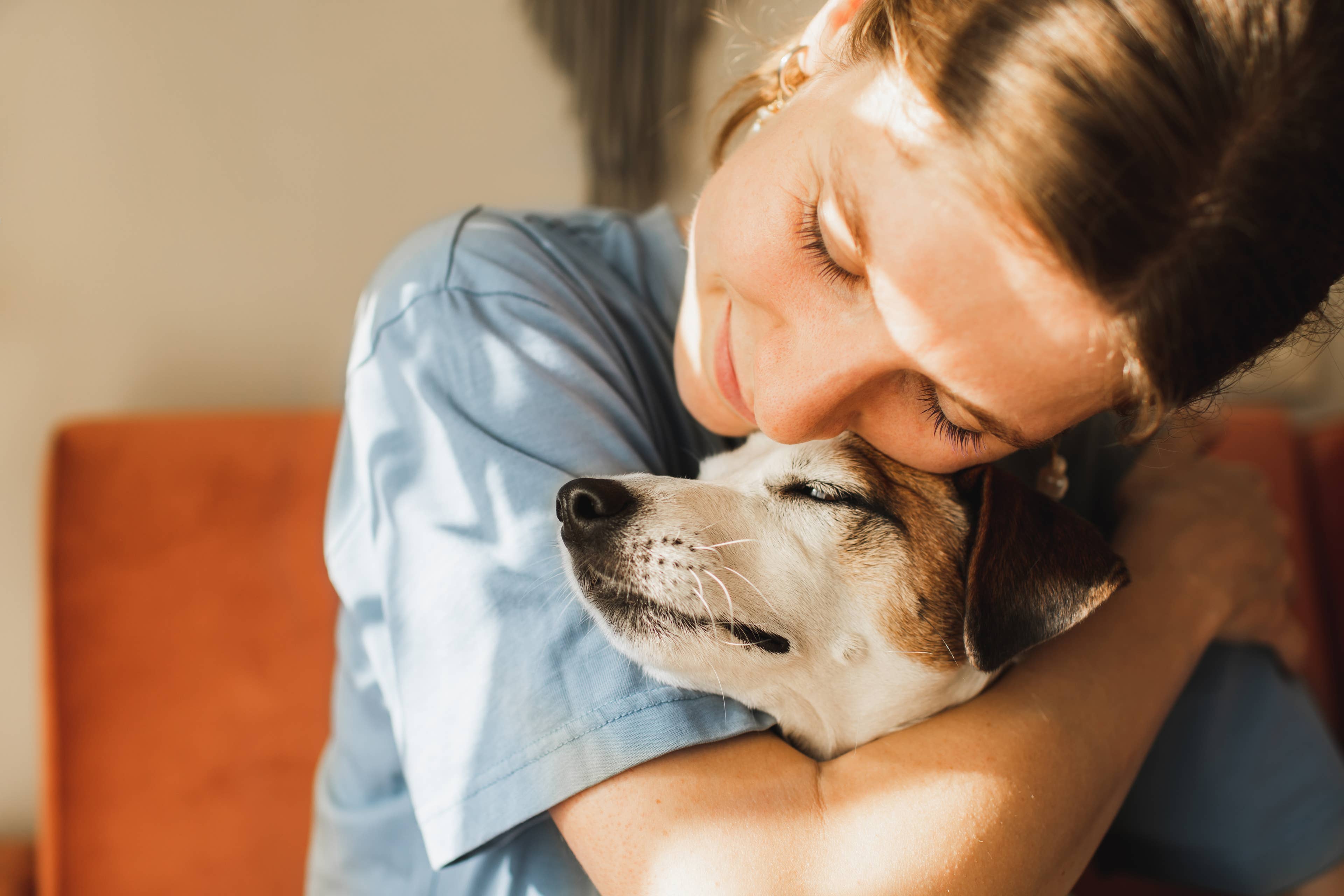
(Anastasiia Krivenok/Getty Images)
When the house finally grows quiet and the exhausting demands of the day melt away, there is a distinct, unwavering comfort in feeling a soft weight settle at the foot of your bed. For millions of devoted pet owners, the nighttime routine doesn’t just involve locking the doors and turning off the lights—it includes making room on the mattress for a beloved dog or cat. While society has long debated the hygiene and sleep-quality merits of letting animals under the covers, those who share their sleeping space with their furry companions know there’s an undeniable magic in it. You listen to their rhythmic, steady breathing, feel the warmth of their bodies pressed against yours, and instantly, the stress of the modern world begins to fade.
It’s a quiet, intimate sanctuary that perfectly illustrates the profound, unconditional bond between humans and their animals. But beyond the simple desire for physical warmth and nighttime cuddles, this incredibly common bedtime habit actually reveals a great deal about who you are as a person. According to psychology experts, opening up your most vulnerable space to a pet isn’t just a quirky preference; it’s a profound indicator of your deepest character traits. In fact, if you regularly invite your dog or cat to sleep in your bed, psychologists say it’s a strong sign that you possess a deeply nurturing nature and a highly empathetic mindset.
Related: These 7 ‘Bad’ Habits Actually Signal High Empathy, Psychologist Says
Why Sleeping With Your Pet Reveals Deep Empathy
Allowing a pet to sleep in your bed requires a certain level of daily sacrifice. Let’s be honest: Dogs often hog the blankets, and cats have an uncanny ability to sleep directly on your legs, pinning you in place for hours. Yet, you accommodate them anyway, often contorting your own body into strange positions just to ensure they aren’t disturbed while they dream.
According to Dr. Leah Kaylor, Ph.D., a clinical and prescribing psychologist, this willingness to prioritize your pet’s comfort over your own optimal sleep setup is a major psychological tell.
“Allowing a pet to sleep in bed often stems from the belief that the pet also feels safer or happier there,” Dr. Kaylor explained in a previous Parade story about traits of individuals who let their cats and dogs sleep beside them. “This speaks to an empathetic mindset—one that considers the emotional needs of others, including animals, and strives to meet them.”
This empathy translates into a natural, unwavering caregiving role. Dr. Michele Goldman, Ph.D., a psychologist and Hope for Depression Research Foundation media advisor, noted that these owners “genuinely care about their pet, want their pet to be happy and comfortable.” You aren’t just thinking about how the pet makes you feel; you’re actively working to ensure their emotional and physical well-being at all hours of the day.
Licensed professional counselor Dr. Denitrea Vaughan, Psy.D., LPC-S, added that this capacity for closeness doesn’t stop at the bedroom door. “People who snuggle with their pets at night tend to cherish and appreciate deeper and emotional connections with others,” she shared. The empathy required to read a pet’s nonverbal cues often translates seamlessly into human interactions, making these individuals incredibly compassionate friends and partners.
Related: 9 Empathic Phrases To Adopt To Be a Better Listener, According to a Psychologist
The Psychological Benefits (and Boundaries) of Co-Sleeping With Animals
Sharing your bed with an animal also speaks to your comfort with vulnerability. As Dr. Goldman has pointed out, sleep is when we are at our most physically and emotionally vulnerable. Trusting an animal in that space indicates a profound sense of psychological safety and a willingness to be completely open.
This deep bond directly mirrors how modern pet owners view their animals’ shifting roles in their lives. In a separate Parade story exploring the psychology of pet parenthood and celebrations, licensed clinical psychologist Dr. Holly Schiff, Psy.D., shared how our relationships with our pets have fundamentally evolved in recent decades.
“We have humanized pets,” Dr. Schiff explained. “They’re viewed as family members rather than just companions or animals serving a functional role. Psychologically, this reflects that social structures are changing, and pets can fill emotional roles that historically may have been met by extended family or community.”
Related: 35 Simple, Sincere Phrases To Express Empathy, According to Therapists
Because pets fill these crucial emotional gaps, keeping them close at night can actively reduce hypervigilance and soothe anxiety. For individuals who struggle with racing thoughts or stress, the steady presence of a dog or cat serves as a living, breathing security blanket that grounds them in the present moment.
However, psychologists are quick to note that while co-sleeping highlights an empathetic mindset, it should never come at the extreme expense of your own mental and physical health. If your pet causes severe sleep disruptions, triggers allergies or creates intimacy issues with a partner, setting a boundary is actually the healthiest choice.
Dr. Kaylor emphasized that establishing healthy boundaries, such as providing your dog with their own comfortable crate or bed, is also a sign of responsible care and deep love. Whether they are snoring softly on your pillow or sleeping soundly in a dog bed nearby, the empathy you show your pet remains the same—a beautiful reflection of a nurturing, compassionate heart.
Adapted from Parade’s “People Who Sleep in the Same Bed as Their Pets Often Display These 10 Traits, Psychologists Say,” and “Psychologist Says People Who Celebrate the Birthdays of Their Cats and Dogs Likely Have These 9 Traits,” both by Beth Ann Mayer
Up Next:
Related: 7 Habits of Highly Empathetic People Who Easily Get Drained in Crowds
Sources:
Dr. Leah Kaylor, Ph.D., clinical and prescribing psychologist.
Dr. Michele Goldman, Ph.D., psychologist and Hope for Depression Research Foundation media advisor.
Dr. Denitrea Vaughan, Psy.D., LPC-S, licensed professional counselor with Thriveworks.
Dr. Holly Schiff, Psy.D., licensed clinical psychologist.
This story was originally published by Parade on Nov 2, 2026, where it first appeared in the Life section. Add Parade as a Preferred Source by clicking here.
Source: Nature



0 Comments