Gilgo Beach murders case highlights push for advanced DNA useStacey Sager Sat, October 10, 2026 at 1:26 AM UTC
Ray Tierney testified before a hearing in Albany on Thursday, saying the technology played a critical role in identifying victims and linking Heuermann to the crimes.
Suffolk County District Attorney Ray Tierney urged New York lawmakers to embrace advanced DNA technology that helped secure the conviction of Rex Heuermann in the Gilgo Beach serial killings case, while acknowledging concerns about privacy and the need for safeguards.
Tierney testified at a hearing in Albany on Thursday, saying the technology known as next-generation sequencing played a critical role in identifying victims and linking Heuermann to the crimes.
"We should not be fearful. We should embrace this technology," Tierney said.
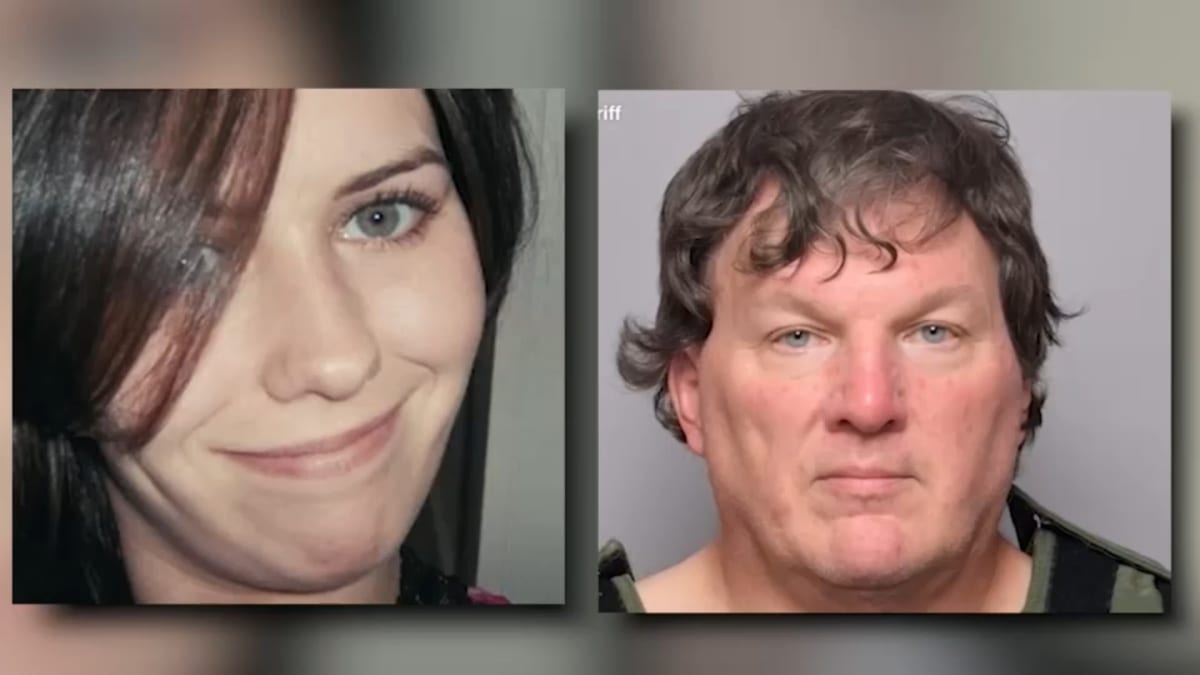
According to testimony presented at the hearing, two Gilgo victims, Valerie Mack and Karen Vergata, would still be identified as "Jane Doe" without the technology. Authorities also linked victim Maureen Brainard-Barnes to Heuermann through fragmented DNA found in a single hair coiled inside the buckle of a belt used to tie her legs.
Melissa Cann, the sister of Brainard-Barnes, appeared alongside Tierney in Albany to urge lawmakers not to disregard the technology in New York forensic labs.
"That advancement of DNA that is taken for granted... it still means the world to people like me, people who've lost loved ones to monsters," Cann said.
The use of more advanced DNA analysis has raised privacy concerns because of the detailed genetic information it can reveal. Experts who testified said the technology should be used with appropriate safeguards.
"In this country we're generally averse to the idea that we're subject to searches, arbitrarily. And, searching of genetic information is about as intimate a search as could be," said Nathan Lents, a professor at John Jay College of Criminal Justice.
In Heuermann's case, use of the technology was approved by a judge after being challenged by the defense.
David Gurney, an investigative genetic genealogy expert, said early research suggests broad public support for its use.
"And 80 to 90% of individuals believe that this should be used to identify human remains, to identify violent criminals, and to help exonerate the wrongfully convicted," Gurney said.
Currently, the advanced sequencing technology is used only in private laboratories. Another hearing that could help determine how New York proceeds with its use is expected in December.
----------* More Long Island news* Send us a news tip* Download the abc7NY app for breaking news alerts* Download our connected TV app
Submit a tip or story idea to Eyewitness News
Have a breaking news tip or an idea for a story we should cover? Send it to Eyewitness News using the form below. If attaching a video or photo, terms of use apply.
Source: Crime



0 Comments